The Essentials Of Asphalt Excavation: What You Need To Know
Quick Summary
Asphalt excavation is suited to pavement damage that reaches beyond the surface and affects the supporting base or subgrade. Recurring potholes, settlement, deep cracking, and drainage problems may indicate the need for deeper removal. Proper excavation, grading, compaction, and drainage preparation can create a more stable foundation for new asphalt and improve the durability of the repaired area.
A paved surface can appear stable while problems develop beneath it. Water intrusion, weakened base material, repeated traffic, and Kansas City freeze-thaw cycles can gradually reduce the support under a driveway or parking lot. When deterioration reaches those lower layers, asphalt excavation may be a more appropriate repair than a surface treatment. Understanding what happens below the pavement can help you judge the seriousness of visible damage and choose a suitable response. Here is a closer look at how this process works and when it may be worth considering.
What Is Asphalt Excavation?
When pavement damage reaches deeper layers, removing only the visible surface may leave the underlying problem in place. Asphalt excavation involves taking out deteriorated asphalt and, when needed, unstable base or subgrade material until firm support is reached. The exposed area can then be rebuilt with properly prepared material before fresh asphalt is installed. This approach is commonly used where structural weakness affects the pavement below the surface rather than in a shallow layer. By addressing damaged support as well as the worn asphalt above it, excavation can create a stronger foundation for a repair designed to handle regular traffic and changing local weather conditions.
When Does Asphalt Pavement Need Excavation?
Certain patterns of deterioration can suggest that a pavement problem extends beyond the top layer. Recurring potholes, alligator cracking, sinking sections, deep rutting, and repairs that fail again within a short period can point to weakened support underneath. Standing water may also allow moisture to enter the pavement structure and reduce the strength of the base or subgrade. Heavy vehicles and repeated freeze-thaw cycles can add more stress to already vulnerable areas. A professional inspection helps determine whether the damage is limited enough for a surface repair or whether removing and rebuilding the affected section is a more appropriate long-term solution for your driveway or commercial parking lot.
Asphalt Excavation vs. Milling: What Is the Difference?
Choosing the right removal method starts with understanding how deeply the pavement has deteriorated. Milling usually removes a controlled portion of the upper asphalt surface while preserving a stable base for resurfacing or an overlay. Excavation can extend through the full asphalt layer and into weakened base or subgrade material when structural support has failed. Surface wear may be suitable for milling, while settlement, repeated potholes, or base failure can call for deeper removal and rebuilding. The distinction helps property owners avoid treating a structural problem as a cosmetic one and supports a repair plan that fits the actual condition below the visible pavement surface.
What Happens During the Asphalt Excavation Process?
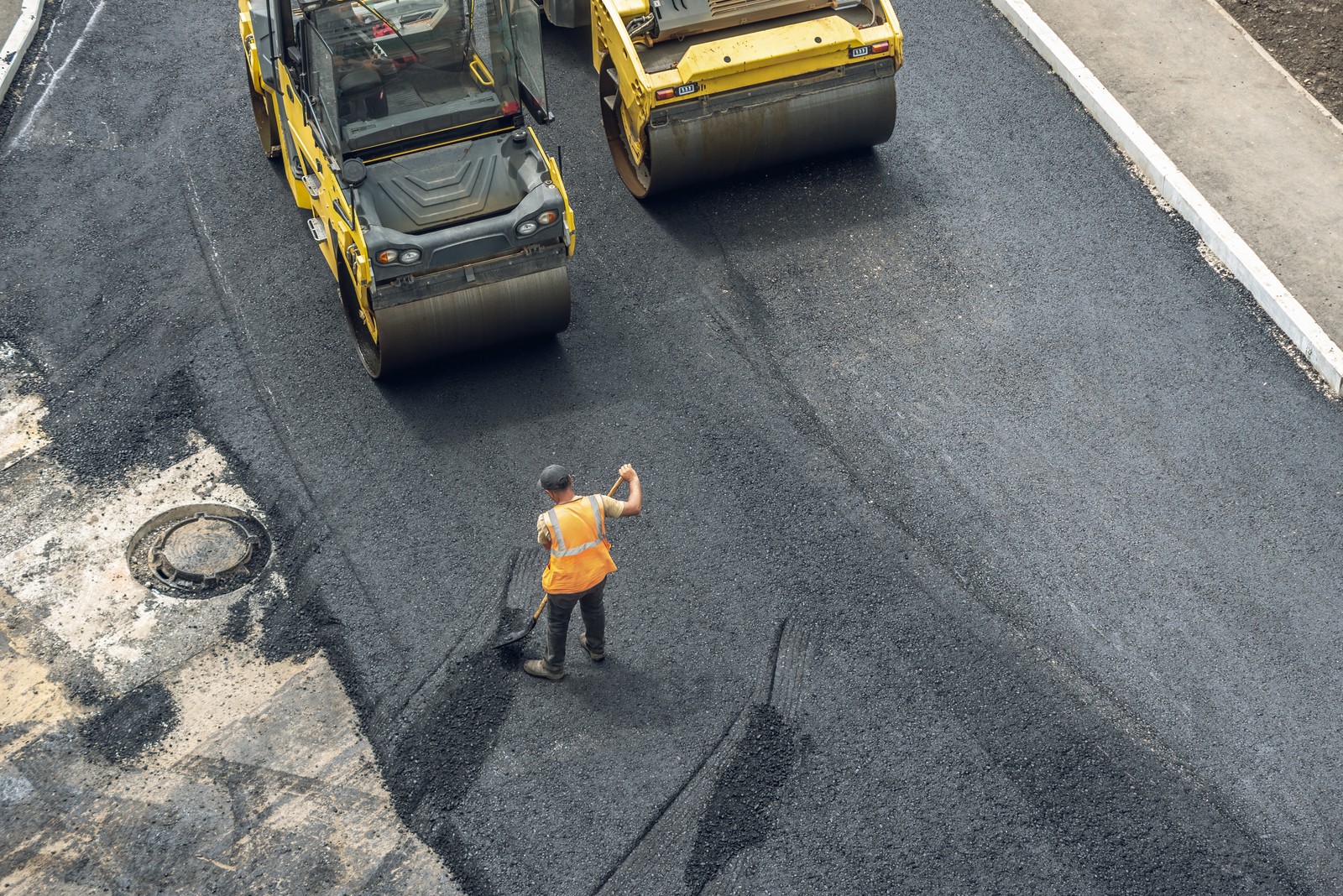
Before any material is removed, the damaged area is inspected so the repair boundaries and likely depth can be identified. Contractors then cut and remove failed asphalt, followed by unstable base material when deeper weakness is present. The exposed section is checked for grading, drainage, and support concerns before replacement material is placed and compacted in suitable layers. Fresh asphalt is then installed over the prepared foundation and compacted to create a dense, even surface. Careful preparation throughout the process helps the repaired area connect properly with surrounding pavement and gives the new section a better chance of performing well under regular traffic and seasonal changes in Kansas City weather.
Why Proper Base Preparation and Drainage Matter
Strong pavement performance depends heavily on the layers that support the asphalt above. The aggregate base helps distribute traffic loads, while the subgrade forms the underlying foundation for the entire pavement structure. Moisture can soften or shift these materials, especially when poor drainage allows water to remain beneath the surface. Kansas City freeze-thaw cycles can add further movement as trapped moisture expands and contracts through seasonal temperature changes. Proper grading, drainage, base preparation, and compaction give the rebuilt section stable support and help the finished pavement perform more reliably under normal residential or commercial use over the long term.
Make the Right Repair Choice for Your Pavement
Deep pavement failure calls for a repair strategy that addresses the condition below the visible surface. When weakened base material, drainage concerns, or structural movement are involved, excavation can deliver a more durable solution than repeated surface repairs. At Kansas City Asphalt, we evaluate residential and commercial pavement throughout the Kansas City metro and handle excavation, paving, milling, patching, overlays, and sealcoating based on the condition of each property. Our company has served local customers since 2005, combining decades of paving experience with practical recommendations, quality workmanship, fair pricing, and dependable service for projects of different sizes, conditions, specific property needs, and requirements.
Contact us today for a free estimate. We can inspect your pavement, explain the available options, and recommend the repair approach that fits your property.
FAQs
How do I know if my pavement needs asphalt excavation?
Asphalt excavation is usually considered when damage extends below the surface into the base or subgrade. Recurring potholes, deep rutting, sinking areas, widespread cracking, or repeated repair failure can signal deeper structural problems. An inspection can help determine whether excavation is appropriate or whether a less extensive repair will work.
What is the difference between asphalt excavation and milling?
Milling removes a controlled portion of the asphalt surface while keeping a stable base in place. Excavation can remove the full asphalt depth and weakened material underneath. Milling often suits surface deterioration, while excavation is more appropriate when settlement, base failure, drainage issues, or deeper structural damage affects the pavement.
Why is drainage important during asphalt excavation?
Drainage helps keep water from weakening the base and subgrade beneath asphalt. In Kansas City, repeated freezing and thawing can make trapped moisture more damaging as it expands and contracts. Proper grading, drainage, and compaction help create a more stable foundation before fresh asphalt is installed over the repaired area.