
How Much Should You Budget For Asphalt Excavation Costs
Quick Summary
Removal and excavation cover breaking out the old surface, addressing the material underneath, and hauling everything away. Basic demolition and haul runs about one to three dollars per square foot, while full-service work including disposal moves toward three to seven. Thickness drives the spread, with thin residential asphalt near a dollar and a half and heavy commercial sections reaching six to nine. A 400-square-foot driveway generally falls between $1,200 and $2,800. Depth, base condition, site access, haul distance, soil bearing capacity, and season all shift the final figure, while grading, gravel base, permits, and landscaping restoration sit alongside removal on the same invoice.
Budgeting for pavement work is harder than budgeting for most property improvement projects, and the reason sits below the surface. Two lots of identical size can carry very different price tags, depending on how thick the old material is, what condition the base is in, and how easily equipment can reach the work area. Asphalt removal cost is the line item that surprises owners most often, since it is rarely broken out in a glossy paving quote. Let’s break down what that number is built from before you request your first estimate.
What Asphalt Excavation Involves
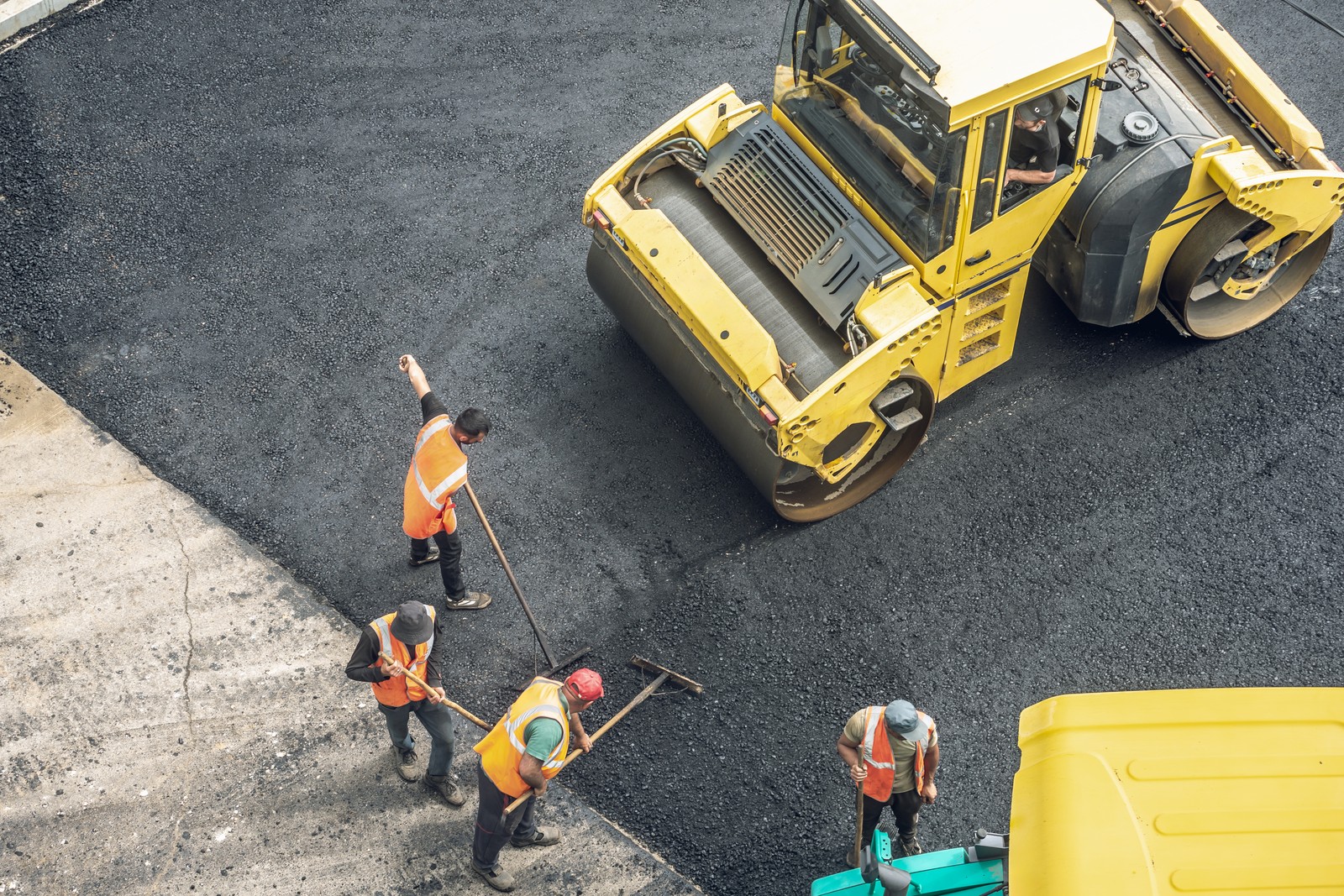
Removal and excavation describe two related stages of the same job, and estimates often blur them together. The first stage breaks the existing surface apart and lifts it out, usually with a skid steer, a hydraulic breaker for thicker sections, or a milling machine when only part of the depth needs to come off. The second stage addresses whatever sits underneath, which may mean digging out saturated soil, removing a failed gravel base, or cutting the area down to a depth that will support the new section. Hauling and disposal follow, and the volume of material leaving your property drives a meaningful share of the total. A full depth excavation on a commercial lot moves a great deal more weight than a surface strip on a residential drive. Knowing which of these your project actually needs is the first step toward a realistic figure on paper.
The General Cost Range to Plan Around
Pricing in this trade is quoted by the square foot, and the spread reflects how much work sits behind the number. Straightforward demolition and haul-away tends to land around $1 to $3 per square foot. Once disposal fees, site cleanup, and full-service handling are folded in, that range moves up to about $3 to $7 per square foot. Thickness pulls the figure in both directions, with thin residential asphalt at three or four inches coming in near a dollar and a half, and heavy commercial sections at eight to ten inches running toward $6 to $9.
Treat these figures as a planning baseline rather than a quote. Asphalt pricing tracks oil markets, so material and disposal rates shift through the year, and regional labor rates move them again. Labor alone can account for a large portion of a removal job, often close to forty percent. A written estimate against your specific site is the only number worth building a budget on.
What Removal Costs by Project Size
Square foot pricing becomes far easier to picture once you attach it to the dimensions of a real project. A standard two-car residential driveway of roughly four hundred square feet typically falls between $1,200 and $2,800 for professional removal. Double that area to around eight hundred square feet and full excavation generally lands somewhere between $1,600 and $4,800, with the wide spread driven by depth and access. Commercial lots scale differently again, since larger areas allow equipment to work efficiently and lower the effective rate per square foot, while thicker sections and heavier traffic loads push it back up. Measure your area before you call anyone, and you will be able to test any estimate you receive against a range you already understand rather than guessing.
The Factors That Move Your Number Up or Down
Depth is the variable with the most influence, and it works in two directions. Thicker pavement takes longer to break apart, and it produces more tonnage to haul, so the effect compounds. Base condition follows close behind, since a sound gravel layer can often stay in place while a saturated or contaminated one has to be dug out and replaced. Access shapes the price as well, and a driveway hemmed in by fencing, mature landscaping, or a narrow gate will cost more to clear than an open commercial lot.
Distance to the nearest disposal or recycling facility adds a haul cost that varies by site. Soil conditions play a part too, and areas with poor bearing capacity may need deeper excavation or stabilization before anything new is placed. Timing carries weight of its own, since scheduling in peak season commands different rates than shoulder season work. Each of these is worth raising directly when you request an estimate.
The Costs That Sit Alongside Excavation
Removal is one line on a larger invoice, and the items around it deserve the same attention. Grading and site preparation commonly run about $1 to $4 per square foot, and a compacted gravel base placed underneath falls in a similar range. New surfacing sits on top of both, which is why a complete remove and replace project typically prices well above removal alone, often in the $8 to $15 range per square foot. Utility line marking is free through the 811 service and should be arranged before any equipment arrives on site. Landscaping restoration, drainage corrections, and permit fees are the items most often left out of early budgets, and they are the ones that turn a comfortable number into an uncomfortable one. Ask for these to be itemized so you can see the whole picture at once.
A Number You Can Plan Around
Pavement budgets fall apart when they are built on an average rather than a site. What your project costs depends on conditions a contractor can only assess by standing on the surface and looking at what is under it. Use the ranges here to set expectations, then get the specifics in writing. An estimate that explains its own reasoning is worth more than one that simply arrives at a lower figure.
Kansas City Asphalt has been operating since 2005, and our estimates come from the people who will be on your job. We handle excavation, patching, milling, overlay, crack filling, seal coating, striping, and concrete curbs and sidewalks across the Kansas City metro on both sides of the state line. Stacy walks the sites himself, which keeps the pricing conversation direct and the scope honest, and every estimate we send breaks the work into lines you can read and question.
Contact us today for a free estimate, and we will price your project against the conditions that are genuinely on your property.
FAQs
Is removal always required before repaving?
Not always. Where the existing base remains sound and the surface still holds its shape, an overlay can be placed directly on top at a lower cost. Removal becomes the better route once the base has failed, since fresh asphalt over weak support inherits the same cracking pattern within a season or two.
Does the old asphalt add to disposal costs?
Some of it does, though asphalt is recycled at a very high rate, and processing facilities often charge less than landfills for clean material. Haul distance to the nearest facility usually influences your total more than the tipping fee itself. Ask your contractor where the material is going and what that leg costs.
How much should the estimate break down?
A useful estimate separates demolition, excavation depth, hauling and disposal, grading, base material, and new surfacing into individual lines. Permit fees and landscaping restoration should appear as well. Single lump sum pricing makes it hard to compare bids or to see which stage is driving your total upward as the work proceeds.