
Quick Tips For Parking Lot Pothole Repair
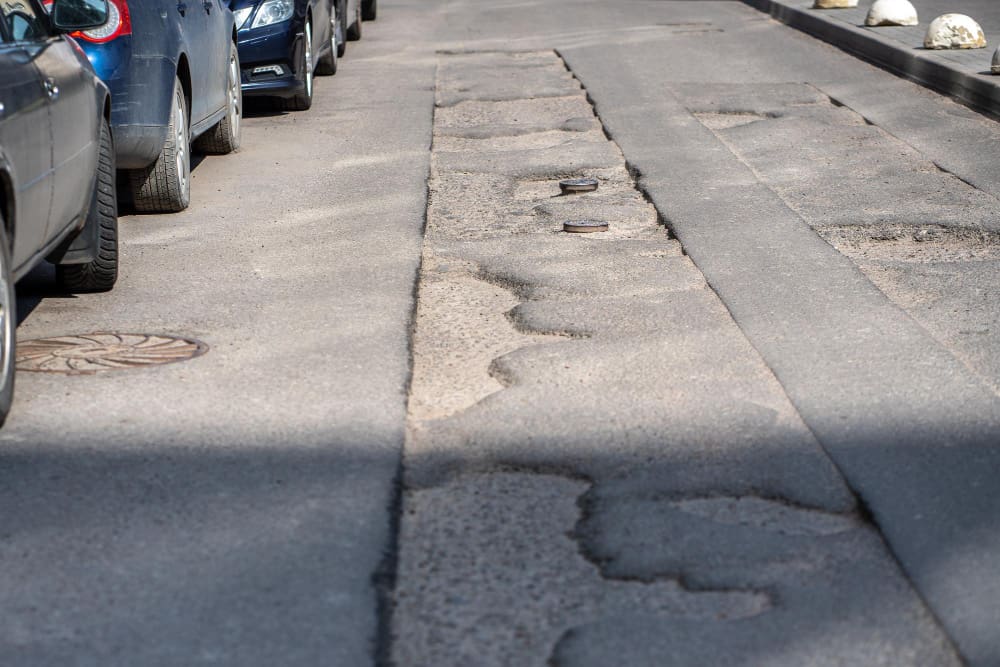
Parking lot pothole repair is one of the most urgent issues commercial property owners face. A single neglected pothole can quickly grow into a liability risk, a vehicle hazard, and a sign of declining property standards.
Potholes rarely appear overnight. They form when water penetrates cracks, weakens the base layer, and traffic pressure forces the surface to break apart.
According to the Federal Highway Administration, moisture infiltration is one of the main causes of pavement failure in asphalt surfaces.
Taking care of damage early through consistent parking lot maintenance reduces structural deterioration and helps avoid large-scale resurfacing.
Why Potholes Form in Commercial Parking Lots
Asphalt surfaces expand and contract with temperature changes. Over time, small cracks develop. When rainwater enters those openings, it settles beneath the surface and compromises the base layer.
Repeated vehicle loads create stress points. Eventually, the weakened section collapses.
Heavy rainfall and high temperatures can accelerate this process. Once a pothole opens, it allows even more water intrusion. That cycle leads to rapid expansion if not corrected promptly.
Large commercial lots face added stress from delivery trucks, turning movements, and frequent braking. These forces place concentrated pressure on entryways and drive lanes, which often become early failure zones.
Tip 1: Act Immediately to Reduce Liability
Waiting to repair a pothole increases exposure to vehicle damage claims and slip-and-fall risks. Property managers have a responsibility to maintain safe driving conditions.
The National Association of Realtors notes that exterior conditions directly influence property perception and tenant satisfaction.
Even minor surface damage can affect how customers and tenants view your business. Quick response protects both reputation and revenue.
Tip 2: Avoid Temporary Cold Patches as a Long-Term Fix
Cold patch materials can offer short-term stabilization, particularly in emergency situations. However, they are not designed for lasting structural correction in high-traffic commercial settings.
Temporary materials often loosen under repeated vehicle pressure. Once the patch dislodges, the pothole returns, often larger than before. Repeated short-term fixes increase costs over time.
Professional evaluation determines whether localized patching, repairs, etc. will restore structural stability or if deeper reconstruction is necessary.
Tip 3: Identify the Root Cause
Surface damage often signals deeper problems. If the base layer has failed due to poor drainage or heavy load stress, simply filling the hole will not resolve the underlying issue.
Standing water, poor grading, and inadequate compaction frequently contribute to recurring failures. A contractor must assess drainage flow and sub-base condition before recommending corrective action.
Ignoring structural weakness leads to recurring damage in the same location. Long-term durability depends on correcting the source, not just the symptom.
Tip 4: Evaluate Surrounding Pavement Condition
One pothole rarely exists in isolation. Adjacent cracking may indicate broader deterioration. If multiple weak areas appear throughout the lot, isolated repair may only delay larger resurfacing needs.
In some cases, a full parking lot overlay becomes the more cost-effective solution. An overlay installs a new asphalt layer over structurally sound pavement, restoring smoothness and load capacity when base conditions allow.
Strategic decision-making prevents repeated patch cycles that disrupt tenants and increase downtime.
Tip 5: Schedule Repairs During Favorable Weather
Weather conditions impact asphalt performance. Hot mix asphalt requires proper temperature control for compaction and bonding. Rain during installation can compromise adhesion.
The climate requires careful scheduling to avoid heavy rainfall periods. Professional contractors monitor environmental conditions to maximize repair durability.
Opening the surface too soon after repair can also affect results. Fresh asphalt needs time to cool and harden before handling full traffic loads.
Tip 6: Consider Traffic Patterns and Load Demands
Commercial lots differ in traffic intensity. A small retail strip center experiences different stress levels than an industrial facility with frequent semi-truck deliveries.
Traffic studies from the American Association of State Highway and Transportation Officials emphasize that pavement design must be in keeping with anticipated load demands.
If a pothole forms in a high-load zone, reinforcement may require thicker material placement or partial reconstruction.
Surface-level correction without load consideration often results in premature failure.
Tip 7: Prioritize Drainage Improvements
Water management plays a big part in pavement longevity. Improper slope allows pooling. Pooling accelerates deterioration.
Professional contractors inspect catch basins, grading, and runoff patterns during repair planning. Redirecting water flow protects not only the patched area but the entire lot.
Long-term surface performance depends on keeping moisture away from the sub-base.
Tip 8: Protect Property Value With Professional Asphalt Paving
When potholes become frequent, widespread resurfacing may offer a better return than repeated spot repairs. Professional asphalt paving restores structural integrity, improves appearance, and strengthens the entire driving surface.
A smooth, properly installed lot heightens the customer experience and reduces future liability exposure. Tenants notice when a property receives proper care.
Short-term cost savings from minimal repairs often lead to greater long-term expense. Evaluating the full life cycle of the pavement helps determine the right approach.
The Cost of Ignoring Potholes
Delaying action rarely saves money. A small void can expand within weeks under heavy traffic. Vehicle undercarriages, suspension systems, and tires suffer damage when driving over uneven surfaces.
Property owners may face claims for vehicle repairs if negligence is proven. Insurance costs can increase when maintenance issues become recurring incidents.
Beyond financial impact, deteriorating pavement affects accessibility. Delivery schedules may be disrupted. Customer traffic may decline if conditions appear neglected.
Why Professional Repair Outperforms Temporary Fixes
Commercial pavement requires more than filler material. Corrective work involves cutting out damaged sections, stabilizing the base, applying proper compaction techniques, and matching surface elevation.
Improper compaction leads to settlement. Poor bonding causes separation at seams. Inconsistent grading allows water to collect.
Experienced contractors evaluate each condition before selecting a repair method. That approach protects structural performance and extends pavement lifespan.
Every parking lot has unique stress points. Entry lanes, dumpster areas, and loading docks require reinforced attention. Professional assessment helps to make certain those zones receive proper treatment.
Work Directly With Experienced Asphalt Professionals
We have spent over three decades in the asphalt industry, and for more than 20 years we have operated as a family-owned pavement maintenance company focused on workmanship and fair pricing.
When you contact Kansas City Asphalt, you speak directly with the owner. That direct communication means clear expectations and honest recommendations.
We assess each parking lot carefully before suggesting repairs. Our goal is long-term durability, not temporary fixes that fail months later. From isolated pothole correction to larger resurfacing solutions, we stand behind every project with pride in the finished result.
If you need professional parking lot repair and paving services in Missouri and Kansas and want experienced asphalt contractors who value quality and accountability, contact us today.