
How Long After Paving Can You Drive On Asphalt?
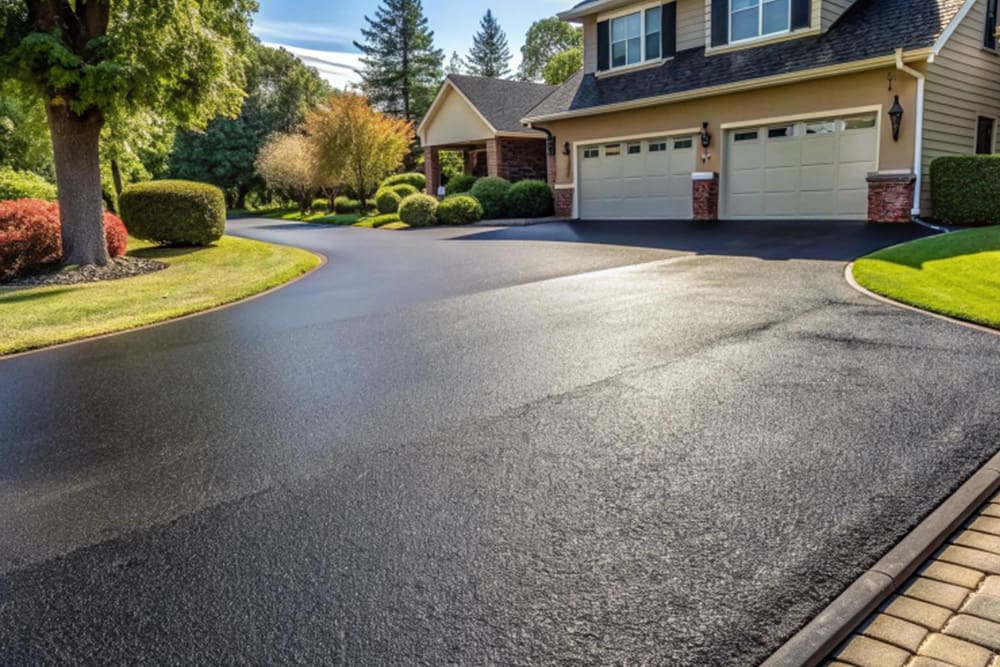
How long after paving can you drive on asphalt is one of the most common questions property owners ask after new pavement is installed.
The short answer is that most surfaces can handle light vehicle traffic within 24 to 48 hours, but the full curing process takes much longer. Rushing that timeline can damage the surface and shorten its lifespan.
When it comes to professional asphalt paving, timing matters just as much as material quality and workmanship. Even though the surface may look firm within hours, asphalt continues to cure and harden over time.
What Happens After Asphalt Is Installed?
Fresh asphalt begins cooling immediately after placement. As it cools, it stiffens and gains strength. According to the National Asphalt Pavement Association, asphalt pavements continue to cure and oxidize for months after installation, gradually becoming harder and more durable over time.
During the first 24 hours, the pavement is most vulnerable. Heavy vehicles, sharp turns, motorcycle kickstands, and parked trailers can leave indentations. High temperatures can extend the soft period, especially in Florida’s climate.
Professional contractors account for:
- Ambient air temperature
- Surface temperature
- Base stability
- Asphalt mix design
- Thickness of installation
These can all influence when the pavement can safely handle traffic.
General Driving Timeline After Installation
While every project is different, industry guidelines from the Federal Highway Administration note that new asphalt surfaces typically support light vehicles within 24 to 48 hours under normal conditions.
Here is a practical breakdown:
First 24 hours
Avoid driving or parking on the surface. The material is still soft.
24 to 48 hours
Passenger vehicles can usually drive carefully on the pavement. Heavy trucks should stay off.
3 to 7 days
The surface gains strength. Moderate vehicle traffic is typically acceptable.
Up to 12 months
The pavement continues to cure and harden. Full structural stability develops gradually.
Even though vehicles may drive on the surface after a day or two, that does not mean it has reached full strength. Improper use during early curing can lead to scarring, rutting, or surface depressions.
Why Waiting the Right Amount of Time Matters
Driving too soon may not cause visible damage immediately, but it can weaken the structural integrity beneath the surface.
Minor distortions can progress into cracks. Cracks allow moisture infiltration. Water intrusion leads to base failure.
Once water reaches the sub-base, deterioration accelerates. Over time, small flaws become major liabilities that require patching, repairs, etc. far sooner than expected.
Parking lots are especially vulnerable. Commercial properties experience heavier loads and frequent turning movements. If traffic is introduced prematurely, soft areas may develop in high-stress zones such as entrances and loading areas.
Factors That Influence Cure Time
Several site-specific variables determine how quickly asphalt gains strength:
Temperature
Hot weather keeps asphalt pliable longer. Cooler temperatures speed surface hardening but may affect compaction during installation. Florida heat often extends the soft period beyond the typical 24-hour expectation.
Thickness of the Mat
Thicker installations retain heat longer. Commercial projects such as drive lanes or heavy-duty lots may require additional cooling time before opening.
Type of Traffic
Passenger cars create less stress than delivery trucks. Properties with regular commercial vehicle traffic require stricter reopening timelines.
Base Preparation
The stability of the underlying base layer greatly affects long-term performance. A properly prepared foundation distributes weight evenly. Poor base preparation results in movement, which appears as cracking or sinking.
What About Parking Lots?
Commercial properties require careful scheduling. Opening too soon can compromise long-term durability and increase future parking lot maintenance costs.
Striping, signage, and traffic control plans should align with curing timelines. Contractors often recommend phased reopening to protect newly paved areas while allowing limited access to tenants or customers.
Property managers sometimes feel pressure to resume normal operations quickly. However, protecting the investment during those first few days prevents expensive restoration later.
Can You Park Immediately?
Driving and parking are not the same. Parking concentrates weight in one area. A parked vehicle can leave depressions, especially in hot weather.
Motorcycles are particularly problematic because kickstands focus weight into a small point. Trailers and dumpsters can also cause surface impressions if placed too early.
Even after 48 hours, consider rotating parking spots during the first few weeks to prevent localized stress. This is especially important for commercial facilities that depend on uniform surface performance.
How Long Before Heavy Vehicles Can Use It?
Heavy trucks should typically wait several days, sometimes longer depending on project specifications. Commercial and industrial properties require reinforced thickness and proper compaction to support large loads.
If heavy traffic is introduced prematurely, structural deformation can occur beneath the surface. Damage at that stage often requires milling and replacement rather than minor correction.
What If Damage Happens?
If premature use causes rutting or surface flaws, corrective action may involve localized repair or a full parking lot overlay. An overlay adds a new layer of asphalt over the existing surface, restoring appearance and performance when the base remains intact.
Ignoring early damage rarely solves the issue. Minor surface indentations can develop into cracks. Cracks allow water infiltration. Moisture weakens the base and accelerates deterioration.
Professional evaluation determines whether simple correction is possible or if more extensive work is required.
Why Professional Installation Makes the Difference
Cure time is only part of the equation. The quality of the initial installation plays a big part in long-term durability.
Proper compaction ensures density. Correct grading prevents standing water. Accurate thickness supports expected traffic loads.
Working directly with an experienced contractor means you receive clear reopening guidance based on real site conditions, not guesswork. Each project differs based on usage patterns, soil conditions, and climate.
Property owners who attempt to cut corners during installation often face higher lifetime costs. Improper scheduling, rushed opening, or inadequate base preparation can shorten pavement life dramatically.
Protecting Your Investment From Day One
New asphalt represents a considerable investment. Protecting it during the early curing stage is one of the simplest ways to extend its lifespan.
Clear communication between contractor and property owner prevents misunderstandings. Barricades, signage, and tenant notifications reduce accidental early traffic.
Once the surface has cured properly, routine inspections and professional service keep it performing well for years. Small issues caught early prevent widespread structural failure later.
Waiting the appropriate amount of time before driving is not just about surface appearance. It protects structural integrity and reduces the likelihood of premature deterioration.
Work With a Contractor Who Gets It Right the First Time
We have spent over 30 years in the asphalt industry, and for more than 20 years we have operated as a family-owned pavement maintenance company focused on quality workmanship at a fair price.
When you work with Kansas City Asphalt, you deal directly with the owner. That level of accountability shows in the finished product.
We take every project seriously, from small repairs to full-scale resurfacing. Our team evaluates site conditions, traffic demands, and environmental influences before recommending a solution. We do not rush openings or cut corners.
We stand behind our work because we know proper installation and accurate guidance protect your property long term.
If you need asphalt paving services in Missouri or Kansas and want experienced professionals who prioritize durability and craftsmanship, contact us today.