
How Parking Lot Drainage Problems Affect The Longevity Of Pavements
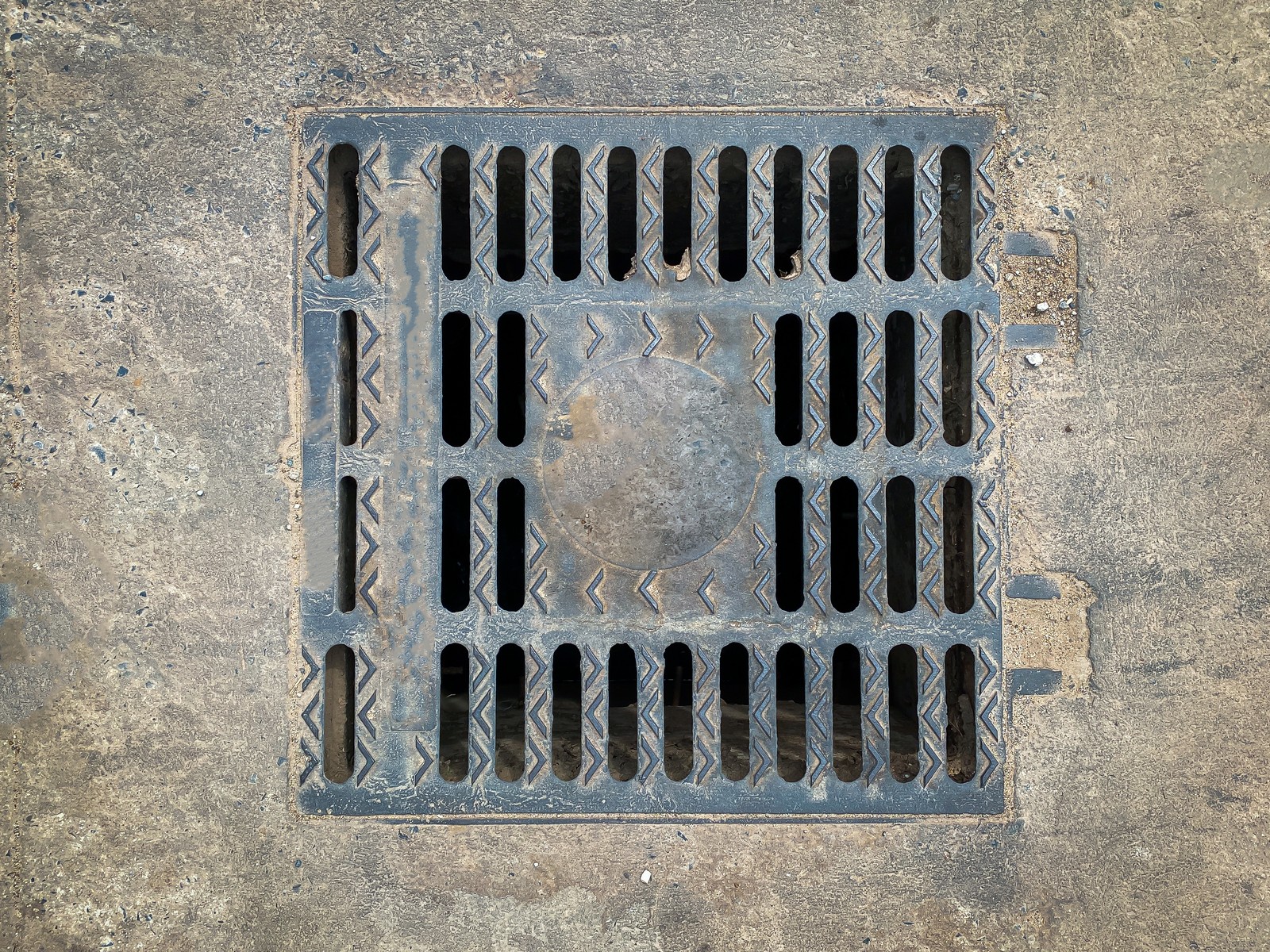
Quick Summary
Water reaches the layers beneath asphalt through cracks, joints, and open seams, with research showing close to forty percent of rainfall entering a paved structure rather than running off it. Once the base and subgrade saturate, they lose stiffness, and traffic loads turn that weakness into rutting, depressions, and interconnected cracking. Fine particles pump out from below under repeated loading, hollowing out support until the surface collapses into a pothole. Slope has to stay within the ADA limit of 1:48 in accessible spaces, which leaves very little margin for drainage design. Kansas City freeze and thaw cycles widen every crack that holds water, so spring failures appear exactly where winter puddles sat.
Asphalt looks solid underfoot, and that appearance is part of what makes water damage so easy to miss. A paved surface is a layered system, and the strength of that system depends on the material sitting beneath the asphalt staying dry and compacted. Rainfall, snowmelt, and runoff move across a commercial lot every week of the year, and where that water goes determines how the pavement ages. Parking lot drainage problems rarely announce themselves early, which is why they cost so much later. Here is what water is doing to your surface.
Where Water Gets Into a Parking Lot
Pavement is often described as waterproof, though pavement research does not support that view. The Federal Highway Administration treats surface infiltration as a primary route for moisture reaching the layers below a paved area. State pavement drainage manuals cite findings that close to forty percent of rainfall landing on a paved surface enters the structure rather than running off it. Every hairline crack, every joint at the edge of an old patch, and every open seam around a catch basin gives that water a way in.
Openings in the surface are only half the story. Moisture also moves sideways from unpaved edges and landscaped islands, and it rises from saturated soil beneath the section. Once it arrives, the question is how long it stays. A lot with a steady slope and clear inlets sheds water quickly, which limits how much soaks downward. A lot with flat areas and clogged drains holds water, the one thing it needs, which is time.
The Warning Signs You Can See From the Surface
Most drainage failures give you a window of several seasons to catch them early, and the clues sit in plain view for anyone willing to walk the property after a storm. Puddles that linger more than a day after rain point to a low spot, a settled area, or a slope that no longer sheds the way it was designed to. Dark staining and fine silt fanning out across the asphalt show you the path water takes when it has nowhere better to go. Catch basins ringed by cracked pavement or sunken grates usually mean the structure below has shifted and water is escaping into the base. Interconnected cracking that resembles reptile skin is a load-related failure, and it tends to appear exactly where water has been sitting. None of these signs are cosmetic, and each one is telling you something about what is happening underneath.
What Happens to the Base and Subgrade Underneath
Strength in a paved area comes from compacted stone and soil, not from the black layer on top. Federal pavement design guidance is direct on this point, treating excess moisture as one of the long-recognized causes of structural distress. Saturated material loses stiffness, and once it does, every vehicle passing overhead flexes the asphalt further than it was built to flex. That flexing shows up as rutting along drive lanes, depressions near entrances, and fatigue cracking in the heaviest traffic areas.
A second process runs alongside the first. Engineering manuals published for municipal design describe how water trapped under load pumps fine particles out of the subbase, carrying them toward cracks and drain openings. Support is removed grain by grain, and the void left behind eventually collapses into a pothole. This is the reason a lot can look sound in June and fail suddenly in March. The damage was accumulating below the surface the entire time.
Slope, Grading, and the ADA Limits You Work Within
Grading a commercial lot means working inside a narrow band of tolerance, and that band is tighter than most property owners expect. Too little pitch and water sits on the surface, while too much pitch creates areas that fail accessibility review. Under the ADA Standards for Accessible Design, accessible parking spaces and their access aisles cannot exceed a slope of 1:48 in any direction, which works out to roughly two percent. The United States Access Board notes that this allowance exists specifically so a surface can still drain while remaining level enough for safe transfer to and from a vehicle. Accessible stalls therefore sit at the exact point where drainage design has the least room to maneuver, which explains why ponding so often appears there first. A lot that drains well everywhere except its accessible spaces has a design problem rather than a maintenance problem.
Freeze and Thaw Through a Kansas City Winter
Winter in the Kansas City metro does something particular to a lot that already holds water, and the effect compounds year over year. Moisture sitting in a crack expands as it turns to ice, and that expansion pushes the crack wider than it was in autumn. Warmer afternoons melt the ice, the water travels deeper into the widened opening, and the next cold night repeats the process. Over a single season, a hairline crack can open into a channel that feeds the base directly, and by spring the weakened area gives way under the weight of ordinary traffic. This is why potholes appear in March in the same places puddles stood in December. The pattern is predictable enough that you can walk a lot after a heavy autumn rain and mark, with reasonable confidence, the spots that will fail next.
Water Always Finds the Weak Spot
Every element of pavement performance eventually traces back to where the rain goes. Surfaces fail from underneath, and a repair placed over a saturated base will fail again on the same schedule as the one before it. Reading your lot honestly, correcting grade where it has settled, and keeping inlets clear will do more for its service life than any single resurfacing project. The pavement lasts as long as the drainage allows.
Drainage Work Done at the Source
At Kansas City Asphalt, we start with grade and water flow before we quote a surface. Our crews handle regrading, catch basin repair, excavation of failed sections, patching, and overlay, along with crack filling, seal coating, striping, and concrete curbs and sidewalks. Stacy owns the company and walks the sites himself, so the person assessing your lot is the person accountable for the result.
Contact us for a free estimate, and we will tell you where your water is going before we talk about pavement.
FAQs
How long should water sit on a parking lot before it counts as a problem?
Standing water that remains more than 24 hours after rain stops signals a low spot, a settled area, or slope that no longer sheds properly. Anything shorter is normal drainage doing its job. Persistent puddles in the same locations across several storms deserve attention before the base underneath begins to soften.
Will seal coating fix a drainage problem?
Sealer protects the surface from oxidation and moisture entry, though it adds no structural strength and changes no grade. Applying it over a lot that ponds water will hide the symptom for a season while the base underneath continues to weaken. Correct the slope and the inlets first, then seal the surface as planned maintenance.
Can a parking lot be regraded without full replacement?
In many cases yes. Localized low areas can be milled down and filled, or an overlay can be laid at a corrected profile to restore slope. Full replacement becomes the better option once the base has failed across large portions of the lot, since new material placed over weak support fails early.